Vibe Coding Still Needs a Coder

One day I had an idea: why don’t we use vacuum clothes dryers? Water evaporates faster at low pressure, you need a lower temperature, and heating requires a lot of electricity. Best of all, vacuum drying should be gentler on fabric.
I am not a mechanical engineer, so of course I asked ChatGPT for help. I described the idea and asked it to help me calculate the efficiency. As always with AI, the process quickly became entertaining. The idea turned into a complex thermo-vacuum hybrid solution, and the comparison with existing dryers ended up in favour of my design.
But one detail caught my attention:
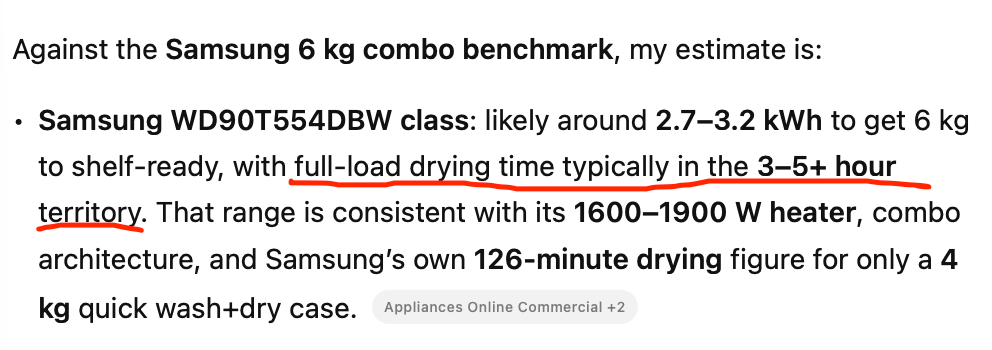
I asked ChatGPT about it, and it admitted the error and recalculated. The new number looked more realistic, so I asked ChatGPT to draw a schematic blueprint of the device we had “invented”. Here was the result:
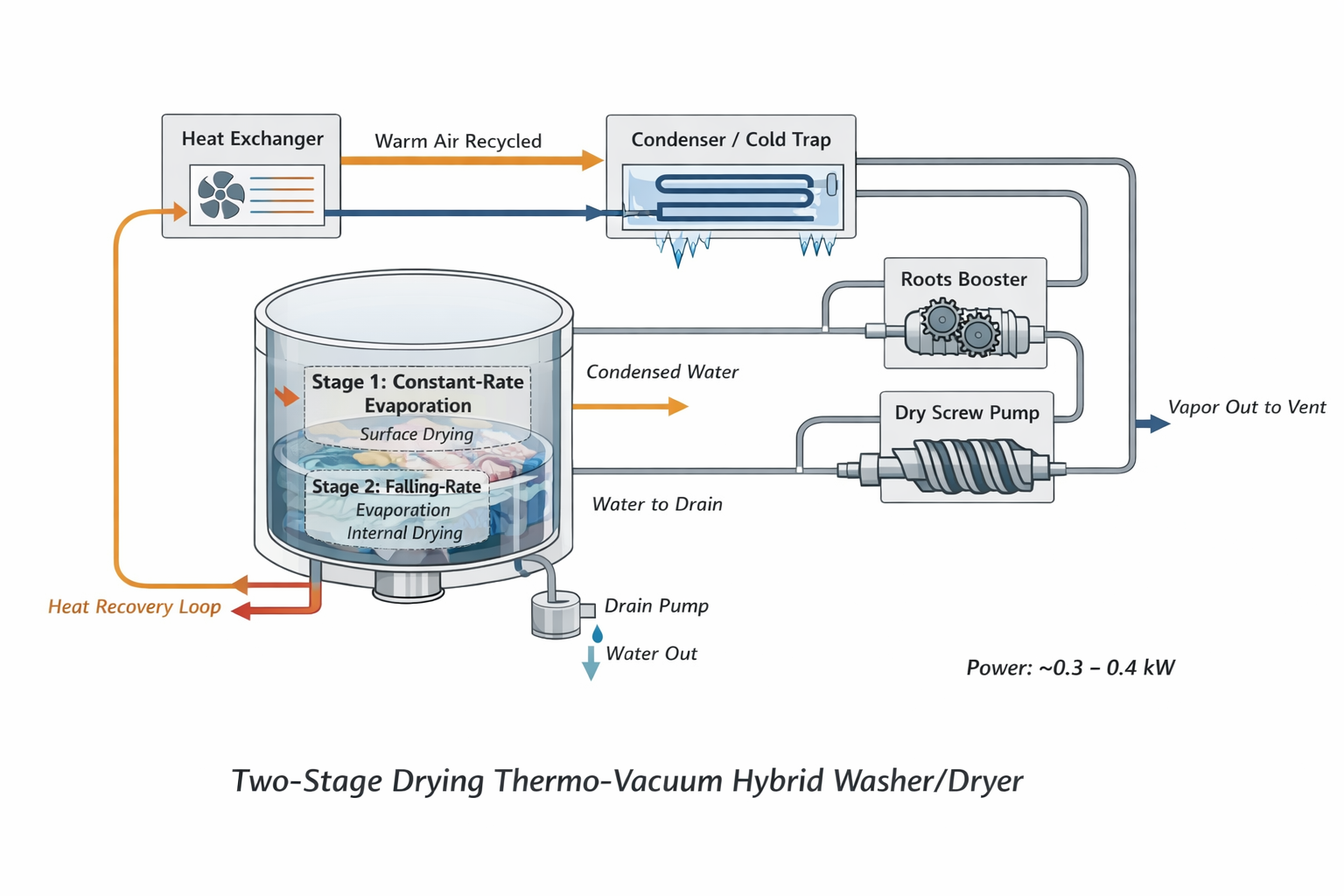
I don’t need a mechanical engineering degree to understand that something is wrong with it. It looks nice, but a lot of things just don’t make any sense. I pointed out my concerns, ChatGPT admitted there were flaws, and redrew another one, even more confusing. Then one more. And another one. After that “improvement”, I decided to stop:
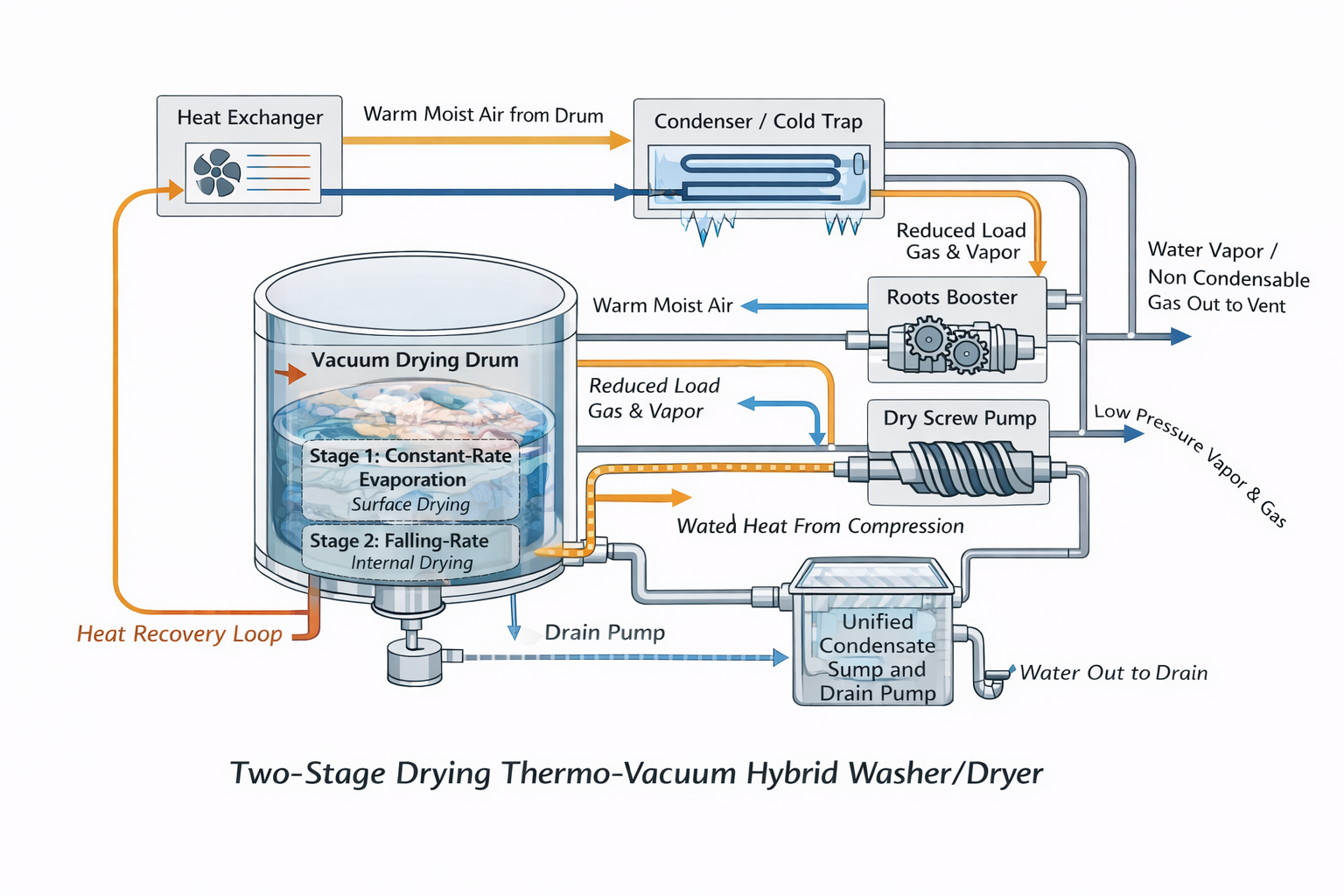
The problem is that, without knowing the right technical jargon or understanding the design principles of complex thermodynamic systems, I was unable to prompt correctly. And ChatGPT itself confirmed it:
We are in a bad loop:

  • the schematic is not grounded in a proper
    engineering drawing process,
  • the image model is good at making plausible-looking
    diagrams,
  • and each revision is based on partly wrong prior
    visuals plus natural-language corrections.

So instead of converging, we are accumulating inconsistencies.
In software, I can usually catch the drift. In thermodynamics and pump topology, I can’t. So the interaction turned into a dangerous loop: plausible output, weak verification, accumulating errors.
This is the part too many people miss in the “vibe coding” conversation. AI is excellent at generating options. It is much worse at reliably telling you which option is physically, architecturally, or operationally correct. That final step still belongs to someone who knows what good looks like.
AI can help you build faster. It cannot tell you when you are confidently building a trainwreck.